
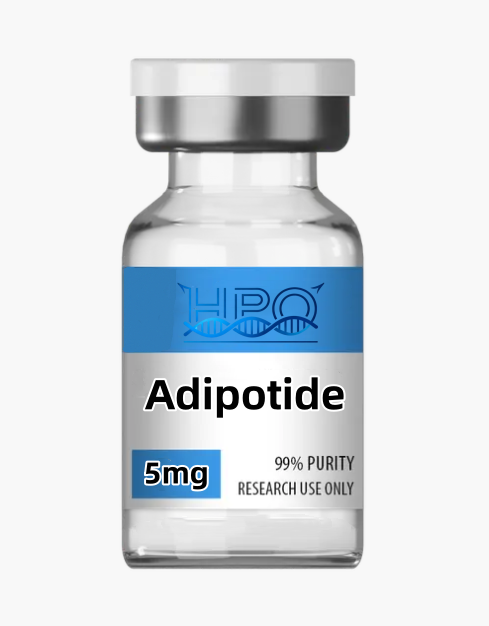
Adipotide
$100.00
Adipotide (FTPP): Comprehensive Research Guide Adipotide (also known as FTPP, or pro-apoptotic peptide) is a synthetic chimeric peptide that has gained significant attention in obesity and metabolic r…
DISCLAIMER:
Adipotide (FTPP): Comprehensive Research Guide
Adipotide (also known as FTPP, or pro-apoptotic peptide) is a synthetic chimeric peptide that has gained significant attention in obesity and metabolic research for its remarkable ability to selectively target and induce apoptosis (programmed cell death) in the blood vessels that supply white adipose tissue (fat tissue), leading to rapid and significant fat loss. This 20-amino-acid peptide consists of two functional domains: a targeting domain that specifically binds to receptors (prohibitin) expressed on the surface of endothelial cells lining the blood vessels of white adipose tissue, and a pro-apoptotic domain that induces programmed cell death in these targeted endothelial cells. By selectively destroying the blood supply to fat tissue, Adipotide causes the fat cells to starve and die, resulting in significant reduction in fat mass, particularly visceral (abdominal) fat, without the need for caloric restriction or exercise. Adipotide has been extensively studied in preclinical models of obesity, metabolic syndrome, type 2 diabetes, and cancer, and it represents a novel and promising approach to the treatment of obesity and its associated metabolic complications.
At Hanpro Peptides, we provide the highest purity Adipotide for research purposes only. Our products are manufactured in state-of-the-art facilities and undergo rigorous quality testing to ensure 99%+ purity. This comprehensive guide covers everything researchers need to know about Adipotide, including its molecular structure, mechanisms of action, research applications, proper handling, and frequently asked questions.
Molecular Structure and Properties
Adipotide (FTPP) is a synthetic chimeric peptide consisting of 20 amino acids, with the molecular formula C97H155N27O28 and a molecular weight of approximately 2133.5 g/mol. The peptide is composed of two distinct functional domains connected by a short linker region: (1) The targeting domain (also known as the homing domain or adipose tissue-targeting peptide), consisting of the first 10 amino acids, which specifically binds to prohibitin, a protein that is highly expressed on the surface of endothelial cells lining the blood vessels of white adipose tissue, but is largely absent from the blood vessels of other tissues. This targeting domain ensures that Adipotide is selectively delivered to the blood vessels of fat tissue, minimizing off-target effects on other organs. (2) The pro-apoptotic domain (also known as the killer domain or programmed cell death-inducing domain), consisting of the last 10 amino acids, which is derived from the pro-apoptotic protein BAX and induces apoptosis (programmed cell death) in the endothelial cells that Adipotide binds to. This domain activates the intrinsic apoptotic pathway, causing mitochondrial dysfunction, caspase activation, and ultimately cell death in the targeted endothelial cells. The two domains are connected by a short, flexible linker that allows each domain to fold independently and perform its function without interference from the other domain. The specific amino acid sequence of Adipotide is: Cys-Lys-Gly-Gly-Arg-Lys-Lys-Arg-Arg-Gln-Arg-Arg-Arg-Pro-Lys-Leu-Lys-Leu-Lys-Lys (CKGG RKKR RQRR RPKL KLKK), with the first 10 amino acids (CKGGRKKRRQ) forming the targeting domain and the last 10 amino acids (RRRPKLKLKK) forming the pro-apoptotic domain, although different variants of Adipotide may have slightly different sequences or domain arrangements.
Adipotide is moderately soluble in water and physiological buffers (soluble at concentrations up to 5 mg/mL), and it is stable under a wide range of pH and temperature conditions when lyophilized. The peptide’s chimeric structure, with distinct targeting and pro-apoptotic domains, allows it to perform its unique function of selectively destroying the blood supply to fat tissue, and its relatively small size (20 amino acids) allows it to be efficiently synthesized, purified, and administered. Adipotide is typically administered via subcutaneous or intravenous injection, and it is most commonly used in research settings for studies investigating obesity, metabolic syndrome, type 2 diabetes, fat loss, and cancer (as some tumors also have blood vessels that express prohibitin, making them potential targets for Adipotide-like peptides). It is important to note that Adipotide is a research chemical and is not approved by the FDA or any other regulatory agency for human use, and it should only be used for legitimate scientific research in accordance with applicable regulations and institutional guidelines.
Mechanisms of Action
Adipotide exerts its effects through a unique and highly specific mechanism that involves targeted destruction of the blood vessels supplying white adipose tissue, leading to fat cell death and significant fat loss. Understanding these mechanisms is crucial for designing effective research studies and interpreting results, particularly in the context of obesity and metabolic disease research.
1. Selective Targeting of White Adipose Tissue Blood Vessels: The first and most critical step in Adipotide’s mechanism of action is its ability to selectively target and bind to the endothelial cells lining the blood vessels of white adipose tissue (fat tissue), while largely sparing the blood vessels of other organs and tissues. This selective targeting is achieved through the peptide’s targeting domain, which specifically binds to prohibitin, a multifunctional protein that is highly expressed on the surface of endothelial cells in the blood vessels of white adipose tissue, but is expressed at very low levels or is absent from the endothelial cells of blood vessels in most other tissues (including muscle, liver, kidney, heart, and brain). Prohibitin was originally identified as a tumor suppressor protein, but it has since been found to play multiple roles in cell proliferation, apoptosis, mitochondrial function, and cell signaling, and it is specifically upregulated on the endothelial cells of adipose tissue blood vessels, particularly in obesity, where the expansion of fat tissue requires the growth of new blood vessels (angiogenesis) to supply the expanding fat cells. By binding to prohibitin on the surface of adipose tissue endothelial cells, Adipotide is selectively concentrated in the blood vessels of fat tissue, where it can then exert its pro-apoptotic effects, while its concentration in the blood vessels of other tissues remains low, minimizing off-target effects and toxicity. This selective targeting is the key to Adipotide’s remarkable safety profile in preclinical studies, as it allows for significant fat loss without the systemic toxicity that would be expected from a non-selective pro-apoptotic agent.
2. Induction of Endothelial Cell Apoptosis: Once Adipotide has bound to prohibitin on the surface of adipose tissue endothelial cells, its pro-apoptotic domain induces apoptosis (programmed cell death) in these targeted endothelial cells, through activation of the intrinsic (mitochondrial) apoptotic pathway. The pro-apoptotic domain of Adipotide is derived from the BH3 domain of the pro-apoptotic BCL-2 family protein BAX, and it works by: (1) Binding to and neutralizing anti-apoptotic BCL-2 family proteins (such as BCL-2 and BCL-xL) that normally prevent apoptosis, thereby shifting the balance toward apoptosis; (2) Directly activating pro-apoptotic BAX and BAK proteins, which then oligomerize and insert into the outer mitochondrial membrane, causing mitochondrial outer membrane permeabilization (MOMP); (3) Mitochondrial outer membrane permeabilization leads to the release of cytochrome c and other pro-apoptotic factors from the mitochondria into the cytoplasm, which then activates the caspase cascade (caspase-9, followed by executioner caspases-3 and -7), leading to the systematic disassembly of the cell; (4) The apoptotic endothelial cells shrink, form apoptotic bodies, and are rapidly cleared by macrophages and other phagocytic cells, with minimal inflammation or damage to surrounding tissue. By inducing apoptosis in the endothelial cells of adipose tissue blood vessels, Adipotide selectively destroys the blood vessels that supply fat tissue, cutting off the blood flow, oxygen, and nutrients that fat cells need to survive.
3. Fat Cell Starvation and Death (Adipocyte Apoptosis): As Adipotide destroys the endothelial cells of adipose tissue blood vessels, the blood supply to the fat tissue is progressively reduced, leading to ischemia (lack of blood flow) and hypoxia (lack of oxygen) in the fat tissue. Without adequate blood supply, the adipocytes (fat cells) are deprived of oxygen, glucose, and other essential nutrients, and they are unable to remove metabolic waste products, leading to cellular stress and ultimately adipocyte apoptosis (programmed cell death) and necrosis. The fat cells shrink, their lipid content is broken down and released (lipolysis), and the dead fat cells are gradually cleared by macrophages and other immune cells, with the lipid content being metabolized or excreted. This process results in a significant reduction in fat mass, particularly in visceral (abdominal) fat, which has a richer blood supply and is more metabolically active than subcutaneous fat, making it more susceptible to Adipotide’s effects. Importantly, because Adipotide targets the blood vessels rather than the fat cells directly, it is effective even in cases of severe obesity where fat cells are large and resistant to traditional fat-loss approaches, and it does not require caloric restriction or exercise to produce significant fat loss. In preclinical studies, Adipotide has been shown to reduce body weight by 10-30% and reduce fat mass by 30-50% over 4-6 weeks of treatment in obese animal models, with the greatest reductions observed in visceral fat.
4. Improvement of Metabolic Health and Insulin Sensitivity: In addition to its direct fat-loss effects, Adipotide also produces significant improvements in metabolic health, including improved insulin sensitivity, reduced blood glucose and insulin levels, improved lipid profiles, and reduced inflammation, which are largely secondary to the reduction in fat mass, particularly visceral fat, but may also include direct effects of Adipotide on metabolic pathways. Visceral fat is metabolically active and produces a variety of pro-inflammatory cytokines (such as TNF-α, IL-6, and resistin) and hormones that contribute to insulin resistance, type 2 diabetes, dyslipidemia, and cardiovascular disease, and the reduction of visceral fat by Adipotide leads to a reduction in these harmful factors and an improvement in metabolic health. Specifically, Adipotide treatment has been shown to: (1) Improve insulin sensitivity and glucose tolerance, by reducing fat mass and visceral fat, reducing pro-inflammatory cytokines that cause insulin resistance, and improving the function of insulin-sensitive tissues (muscle, liver, adipose tissue); (2) Reduce fasting blood glucose and insulin levels, and reduce HbA1c (a marker of long-term blood glucose control), in animal models of type 2 diabetes and obesity; (3) Improve lipid profiles, including reduction of total cholesterol, LDL cholesterol, and triglycerides, and increase of HDL cholesterol, secondary to fat loss and improved metabolic function; (4) Reduce chronic low-grade inflammation (“metaflammation”) associated with obesity, by reducing fat mass and the production of pro-inflammatory cytokines by fat tissue; (5) Reduce liver fat accumulation (hepatic steatosis), improving liver function and reducing the risk of non-alcoholic fatty liver disease (NAFLD) and non-alcoholic steatohepatitis (NASH); (6) Improve blood pressure and cardiovascular risk factors, secondary to fat loss, improved metabolic health, and reduced inflammation. These metabolic improvements are particularly significant because they address not just the symptom of obesity (excess fat) but also the underlying metabolic dysfunction that makes obesity such a significant health risk, and they suggest that Adipotide may be effective not just for weight loss but also for the treatment of metabolic syndrome, type 2 diabetes, and other obesity-related metabolic diseases.
5. Reduction of Food Intake and Appetite Regulation: Interestingly, in addition to its direct effects on fat tissue blood vessels, Adipotide has also been shown to reduce food intake and appetite in some preclinical studies, which may contribute to its overall fat-loss effects, although the mechanisms underlying this appetite reduction are not fully understood and may be secondary to the metabolic changes induced by fat loss rather than a direct effect of Adipotide on the brain or appetite-regulating pathways. Some researchers have hypothesized that the reduction in fat mass and the associated changes in hormone levels (including reductions in leptin, insulin, and other adipokines) may signal to the brain that the body has sufficient energy stores, leading to a natural reduction in appetite and food intake, while others have suggested that Adipotide may have direct effects on the hypothalamus (the brain region that regulates appetite and energy balance) by crossing the blood-brain barrier or by signaling through peripheral pathways. Regardless of the mechanism, the reduction in food intake observed in some Adipotide studies is generally moderate (10-20% reduction in food intake) and is not sufficient to explain the significant fat loss observed, which is primarily due to the direct destruction of fat tissue blood vessels and the resulting fat cell death. Importantly, unlike many other weight-loss medications that work primarily by suppressing appetite and can cause significant side effects related to appetite suppression (such as nausea, vomiting, and mood changes), Adipotide’s primary mechanism is direct fat tissue destruction, and its appetite-reducing effects are secondary and generally mild, which may contribute to its favorable side effect profile in preclinical studies.
6. Preservation of Lean Muscle Mass: One of the most remarkable and clinically significant features of Adipotide’s mechanism of action is that it produces significant fat loss while largely preserving lean muscle mass, which is in contrast to many traditional weight-loss approaches (including caloric restriction, exercise, and many weight-loss medications) that typically result in the loss of both fat mass and lean muscle mass, with muscle loss accounting for 20-40% of total weight loss in many cases. This preservation of lean muscle mass is due to Adipotide’s highly selective targeting of white adipose tissue blood vessels, which spares the blood vessels of skeletal muscle and other lean tissues, ensuring that muscle tissue continues to receive adequate blood supply, oxygen, and nutrients, and is not affected by Adipotide’s pro-apoptotic effects. In preclinical studies, Adipotide has been shown to reduce fat mass by 30-50% while reducing lean muscle mass by less than 5% (and in some studies, lean muscle mass actually increased slightly, likely due to the metabolic improvements and reduced fat mass), resulting in a significant improvement in body composition (reduced fat percentage, increased lean mass percentage) that is far superior to traditional weight-loss approaches. This preservation of lean muscle mass is critically important because lean muscle mass is a key determinant of metabolic rate, physical function, strength, and overall health, and the loss of muscle mass during weight loss is a major factor in the “yo-yo dieting” phenomenon (where lost weight is quickly regained, often with additional fat gain, because the reduced muscle mass leads to a lower metabolic rate). By preserving lean muscle mass while significantly reducing fat mass, Adipotide may allow for more sustainable long-term weight loss and better preservation of metabolic rate and physical function, which is a significant advantage over traditional weight-loss approaches.
7. Potential Anti-Cancer Effects (Prohibitin-Targeted Therapy): In addition to its obesity and metabolic applications, Adipotide and related prohibitin-targeted peptides are also being investigated for their potential anti-cancer effects, based on the observation that prohibitin is also highly expressed on the endothelial cells of blood vessels in many types of tumors (including prostate cancer, breast cancer, colon cancer, and others), where it plays a role in tumor angiogenesis (the formation of new blood vessels that supply the growing tumor with nutrients and oxygen). By targeting prohibitin on tumor blood vessel endothelial cells, Adipotide-like peptides can selectively destroy the blood supply to tumors, cutting off their nutrient and oxygen supply and causing tumor cell death, in a manner similar to their effects on fat tissue. This “tumor starvation” approach is a promising strategy for cancer treatment, particularly for tumors that are resistant to traditional chemotherapy and radiation, and it may have fewer side effects than traditional anti-cancer drugs because it selectively targets tumor blood vessels rather than rapidly dividing cells throughout the body. While the original Adipotide peptide was developed primarily for obesity research and has been most extensively studied in that context, its prohibitin-targeting mechanism makes it a promising lead compound for the development of novel anti-cancer therapies, and researchers are actively investigating modified versions of Adipotide and related prohibitin-targeted peptides for cancer treatment. It is important to note, however, that the anti-cancer effects of Adipotide are still in the early stages of preclinical research, and more studies are needed to determine its efficacy and safety for cancer treatment, and to develop optimized peptides that specifically target tumor blood vessels while minimizing effects on fat tissue (if fat loss is not desired in cancer patients).
Research Applications
Adipotide has been investigated in numerous preclinical studies for its potential therapeutic applications across various medical fields, particularly in obesity, metabolic disease, and cancer research. The following sections highlight the most important areas of research.
1. Obesity and Weight Loss
The primary and most well-studied application of Adipotide is in the treatment of obesity and the promotion of weight loss, where its unique mechanism of selectively destroying the blood supply to fat tissue offers a novel and powerful approach to reducing fat mass, particularly in cases of severe or treatment-resistant obesity where traditional approaches (diet, exercise, and existing weight-loss medications) have proven ineffective. Obesity is a global epidemic that affects more than 650 million adults worldwide, and it is a major risk factor for numerous serious health conditions, including type 2 diabetes, cardiovascular disease, hypertension, stroke, certain types of cancer, osteoarthritis, sleep apnea, and premature death. Despite its significant health burden, effective and safe long-term treatments for obesity remain limited, and existing weight-loss medications typically produce only modest weight loss (5-10% of body weight) and are often associated with significant side effects, high rates of weight regain after discontinuation, and limited efficacy in severe obesity. Adipotide addresses many of these limitations through its unique mechanism of action, which directly targets and destroys fat tissue rather than relying on appetite suppression or metabolic modulation, and it has produced remarkable results in preclinical studies of obesity. In preclinical studies in obese animal models (including diet-induced obese mice, obese rhesus monkeys, and other models), Adipotide treatment has been shown to produce: (1) Significant dose-dependent reductions in body weight, typically ranging from 10-30% of baseline body weight over 4-6 weeks of treatment, with the greatest weight loss observed in animals with the highest baseline body weight and fat mass; (2) Even more significant reductions in fat mass, typically ranging from 30-50% of baseline fat mass, with the greatest reductions observed in visceral (abdominal) fat, which is the most metabolically harmful type of fat and is most strongly associated with obesity-related health risks; (3) Preservation of lean muscle mass, with less than 5% reduction in lean mass (and in some studies, a slight increase in lean mass), resulting in a dramatic improvement in body composition and a significant reduction in body fat percentage; (4) Reduction in adipocyte (fat cell) size and number, with histological analysis showing significant reduction in fat cell size, increased fat cell apoptosis, and reduced vascular density in fat tissue, confirming the peptide’s mechanism of action; (5) Sustained weight loss for several weeks after discontinuation of treatment, with minimal weight regain compared to traditional weight-loss approaches, likely due to the permanent destruction of fat cells and the preservation of lean muscle mass (which maintains metabolic rate); (6) Favorable safety profile in preclinical studies, with no significant toxicity to non-adipose tissues, no significant changes in blood counts, liver function, kidney function, or other clinical chemistry parameters at therapeutic doses, and no significant behavioral or neurological side effects. The most compelling preclinical evidence for Adipotide’s efficacy comes from studies in obese rhesus monkeys, which are physiologically and metabolically very similar to humans, and which closely model human obesity. In these studies, obese rhesus monkeys treated with Adipotide for 4 weeks showed an average 11% reduction in body weight, a 27% reduction in fat mass, significant improvements in insulin sensitivity and metabolic parameters, and no significant toxicity or side effects, with the weight loss and metabolic improvements persisting for several weeks after treatment discontinuation. These results are particularly significant because they demonstrate Adipotide’s efficacy in a large animal model that is very similar to humans, and they provide strong support for the potential translation of Adipotide’s effects to human obesity treatment. While the clinical development of Adipotide for human obesity has been slower than initially hoped (due to the challenges of developing peptide therapeutics, the need for injectable administration, and the emergence of newer weight-loss medications such as GLP-1 receptor agonists), Adipotide remains a valuable research tool for understanding the biology of fat tissue, angiogenesis, and obesity, and it continues to be investigated as a potential treatment for severe or treatment-resistant obesity, particularly in combination with other weight-loss approaches. Modified versions of Adipotide and related prohibitin-targeted peptides are also being developed with improved pharmacokinetic properties, longer half-lives, oral bioavailability, and reduced immunogenicity, which may overcome some of the limitations of the original Adipotide peptide and bring this promising approach closer to clinical use for obesity.
2. Metabolic Syndrome and Type 2 Diabetes
In addition to its weight-loss effects, Adipotide has significant applications in the research and potential treatment of metabolic syndrome and type 2 diabetes, where its ability to reduce visceral fat, improve insulin sensitivity, and normalize metabolic parameters offers a promising approach to treating the underlying metabolic dysfunction that drives these conditions. Metabolic syndrome is a cluster of metabolic abnormalities including central obesity (excess abdominal fat), insulin resistance, high blood pressure, high blood sugar, and dyslipidemia (high triglycerides and low HDL cholesterol), which together significantly increase the risk of type 2 diabetes, cardiovascular disease, stroke, and premature death. Metabolic syndrome affects approximately 25-35% of adults worldwide, and its prevalence is increasing rapidly in parallel with the global obesity epidemic. Type 2 diabetes, which often develops from metabolic syndrome, affects more than 400 million people worldwide, and it is characterized by insulin resistance (where cells become less responsive to the effects of insulin, leading to high blood sugar) and progressive pancreatic beta-cell dysfunction. While there are many medications available for the treatment of type 2 diabetes, most focus on symptom management (lowering blood sugar) rather than addressing the underlying causes of insulin resistance and metabolic dysfunction, and many are associated with side effects, weight gain, and progressive loss of efficacy over time. Adipotide offers a novel approach to metabolic syndrome and type 2 diabetes by directly reducing the visceral fat that is a primary driver of insulin resistance and metabolic dysfunction, and by producing significant improvements in multiple metabolic parameters simultaneously. In preclinical studies in animal models of obesity, metabolic syndrome, and type 2 diabetes (including diet-induced obese mice, obese rhesus monkeys, and Zucker diabetic fatty rats), Adipotide treatment has been shown to produce: (1) Significant reduction in visceral (abdominal) fat, which is the type of fat most strongly associated with insulin resistance and metabolic dysfunction, with reductions of 30-50% in visceral fat mass observed in preclinical studies; (2) Significant improvement in insulin sensitivity, as measured by insulin tolerance tests (ITT), glucose tolerance tests (GTT), and homeostatic model assessment of insulin resistance (HOMA-IR), with improvements of 30-60% in insulin sensitivity observed in preclinical studies; (3) Reduction in fasting blood glucose and insulin levels, and improvement in glucose tolerance, with normalization of blood glucose levels in some animal models of type 2 diabetes; (4) Reduction in HbA1c (glycated hemoglobin, a marker of long-term blood glucose control), with reductions of 0.5-1.5% observed in preclinical studies, which is comparable to or better than the effects of many existing diabetes medications; (5) Improvement in lipid profiles, including reduction of total cholesterol (10-25%), LDL cholesterol (15-30%), and triglycerides (20-40%), and increase of HDL cholesterol (10-20%), which are important for reducing cardiovascular risk in metabolic syndrome and diabetes; (6) Reduction in liver fat accumulation (hepatic steatosis), with significant reduction in liver triglyceride content and improvement in liver function tests, suggesting potential benefit for non-alcoholic fatty liver disease (NAFLD) and non-alcoholic steatohepatitis (NASH), which are common complications of metabolic syndrome and obesity; (7) Reduction in chronic low-grade inflammation, including reduction in pro-inflammatory cytokines such as TNF-α, IL-6, and C-reactive protein (CRP), which are elevated in metabolic syndrome and diabetes and contribute to insulin resistance and cardiovascular disease; (8) Improvement in blood pressure, with modest reductions in systolic and diastolic blood pressure observed in some preclinical studies, secondary to fat loss, improved metabolic function, and reduced inflammation; (9) Improvement in pancreatic beta-cell function and survival, with preservation of beta-cell mass and improved insulin secretion in some animal models of type 2 diabetes, likely secondary to reduced fat toxicity (lipotoxicity) and improved metabolic environment. These metabolic improvements are particularly significant because they address multiple components of metabolic syndrome simultaneously (central obesity, insulin resistance, dyslipidemia, high blood sugar, and inflammation), rather than just treating individual symptoms, and they suggest that Adipotide may be effective not just for weight loss but also for the comprehensive treatment of metabolic syndrome and type 2 diabetes, and for the prevention of their serious complications including cardiovascular disease, kidney disease, neuropathy, retinopathy, and limb amputation. Importantly, the metabolic improvements produced by Adipotide are largely sustained after discontinuation of treatment, as long as weight is maintained, which is in contrast to many existing diabetes medications that require continuous use and lose efficacy when discontinued. While Adipotide is not currently approved for the treatment of metabolic syndrome or type 2 diabetes, and more research (including human clinical trials) is needed to fully evaluate its efficacy and safety for these indications, the preclinical evidence strongly suggests that Adipotide and related prohibitin-targeted peptides represent a promising novel approach to the treatment of metabolic syndrome and type 2 diabetes, particularly in obese individuals who have not responded adequately to traditional treatments. Adipotide is also a valuable research tool for understanding the complex relationships between fat tissue, angiogenesis, insulin resistance, and metabolic disease, and for identifying new therapeutic targets and strategies for the treatment of metabolic syndrome and diabetes.
3. Non-Alcoholic Fatty Liver Disease (NAFLD) and NASH
Adipotide has significant applications in the research and potential treatment of non-alcoholic fatty liver disease (NAFLD) and its more severe form, non-alcoholic steatohepatitis (NASH), where its ability to reduce visceral fat, improve insulin sensitivity, reduce liver fat accumulation, and reduce inflammation offers a promising approach to treating these increasingly common and serious liver conditions. NAFLD is a condition characterized by the accumulation of excess fat in the liver (hepatic steatosis) in individuals who do not consume excessive alcohol, and it is the most common liver disease worldwide, affecting approximately 25-30% of adults globally and up to 70-90% of obese individuals. NAFLD encompasses a spectrum of disease severity, ranging from simple steatosis (fat accumulation in the liver without inflammation or liver damage), which is generally benign and slowly progressive, to NASH (steatohepatitis), which is characterized by fat accumulation plus inflammation and liver cell damage (hepatocyte ballooning), and which can progress to liver fibrosis, cirrhosis, liver failure, and hepatocellular carcinoma (liver cancer). NASH is now one of the leading causes of liver transplantation and liver cancer worldwide, and its prevalence is increasing rapidly in parallel with the global obesity and diabetes epidemics. Despite its significant health burden, there are currently very few FDA-approved medications for the treatment of NASH, and existing treatments are only modestly effective, making the development of new and more effective treatments a major unmet medical need. NAFLD and NASH are closely linked to obesity, insulin resistance, metabolic syndrome, and type 2 diabetes, with visceral fat accumulation and insulin resistance being key drivers of liver fat accumulation, inflammation, and fibrosis. Excess visceral fat produces increased free fatty acids that are delivered to the liver via the portal vein, leading to increased hepatic fat synthesis and accumulation, and the pro-inflammatory cytokines and adipokines produced by visceral fat contribute to liver inflammation, insulin resistance, and fibrosis. By reducing visceral fat, improving insulin sensitivity, and reducing inflammation, Adipotide addresses the root causes of NAFLD/NASH and has the potential to not just reduce liver fat but also to reduce inflammation, fibrosis, and liver damage. In preclinical studies in animal models of NAFLD/NASH (including diet-induced obese mice with hepatic steatosis, methionine-choline deficient (MCD) diet-induced NASH models, and obese rhesus monkeys with fatty liver), Adipotide treatment has been shown to produce: (1) Significant reduction in liver fat accumulation (hepatic steatosis), with reductions of 30-60% in liver triglyceride content observed in preclinical studies, as measured by liver triglyceride assays, histological analysis (Oil Red O staining), and magnetic resonance imaging (MRI/MRS) of liver fat; (2) Reduction in liver inflammation, with reduced infiltration of inflammatory cells (macrophages, neutrophils, lymphocytes) into the liver, reduced expression of pro-inflammatory cytokines (TNF-α, IL-6, IL-1β) in the liver, and reduced markers of liver inflammation in the blood; (3) Reduction in liver cell damage (hepatocyte ballooning and apoptosis), with reduced serum levels of liver enzymes (ALT, AST, ALP) that are markers of liver damage, and reduced hepatocyte apoptosis and necrosis on histological analysis; (4) Reduction in liver fibrosis, with reduced collagen deposition and fibrosis in the liver (as measured by Sirius Red staining, hydroxyproline content, and fibrosis staging), and reduced expression of pro-fibrotic genes (TGF-β, collagen type I, α-SMA) in the liver, suggesting that Adipotide may not just prevent but also potentially reverse existing liver fibrosis; (5) Improvement in liver function, with normalization of liver enzyme levels, improved liver synthetic function (albumin, clotting factors), and improved overall liver health; (6) Improvement in metabolic parameters that drive NAFLD/NASH, including reduction in visceral fat, improved insulin sensitivity, reduced blood glucose and insulin levels, improved lipid profiles, and reduced systemic inflammation, which help to reduce the ongoing metabolic stress on the liver; (7) Favorable safety profile, with no evidence of direct liver toxicity or worsening of liver function at therapeutic doses, and no significant off-target effects on other organs. These results are particularly significant because they suggest that Adipotide may be effective not just for the early stages of NAFLD (simple steatosis) but also for the more advanced and dangerous stages of NASH (with inflammation, hepatocyte damage, and fibrosis), which is the stage where treatment is most urgently needed and where existing treatments are least effective. The ability of Adipotide to potentially reverse existing liver fibrosis is particularly noteworthy, as fibrosis reversal is considered the holy grail of NASH treatment and is associated with reduced risk of cirrhosis, liver failure, and liver cancer. While more research (including human clinical trials) is needed to fully evaluate Adipotide’s efficacy and safety for NAFLD/NASH, and to determine the optimal dose, duration, and timing of treatment, the preclinical evidence strongly suggests that Adipotide and related prohibitin-targeted peptides represent a promising novel approach to the treatment of NAFLD and NASH, particularly in obese individuals with metabolic syndrome or type 2 diabetes who are at highest risk for progressive liver disease. Adipotide is also a valuable research tool for understanding the complex relationships between fat tissue, liver metabolism, inflammation, fibrosis, and liver disease, and for identifying new therapeutic targets and strategies for the treatment of NAFLD/NASH.
4. Cancer Research and Tumor Angiogenesis
Beyond its metabolic applications, Adipotide has significant applications in cancer research, where its prohibitin-targeting mechanism and ability to selectively destroy blood vessels makes it a promising tool for understanding tumor angiogenesis and for developing novel anti-cancer therapies that target the tumor blood supply. Cancer is a leading cause of death worldwide, and one of the key hallmarks of cancer is sustained angiogenesis — the formation of new blood vessels that supply the growing tumor with oxygen, nutrients, and growth factors, and that allow cancer cells to metastasize (spread) to other parts of the body. Without angiogenesis, tumors cannot grow beyond a small size (1-2 mm) and cannot metastasize, making tumor angiogenesis an attractive target for cancer therapy. Existing anti-angiogenic cancer drugs (such as bevacizumab, sunitinib, and sorafenib) target growth factors and receptors involved in angiogenesis (such as VEGF and VEGFR), but they have limited efficacy, significant side effects, and tumors often develop resistance to them over time. Adipotide offers a novel and complementary approach to anti-angiogenic cancer therapy by targeting prohibitin, a protein that is highly expressed on the endothelial cells of tumor blood vessels (as well as fat tissue blood vessels), and by directly inducing apoptosis in these endothelial cells, rather than just inhibiting growth factor signaling. This approach may be effective against tumors that are resistant to traditional anti-angiogenic drugs, and it may have a different side effect profile because it targets a different molecule and mechanism. In cancer research, Adipotide and related prohibitin-targeted peptides are being investigated for: (1) Understanding the role of prohibitin in tumor angiogenesis: Adipotide is a valuable research tool for studying the expression and function of prohibitin in tumor blood vessels, and for understanding how prohibitin contributes to tumor angiogenesis, tumor growth, and metastasis. By using Adipotide to selectively destroy prohibitin-expressing blood vessels, researchers can study the importance of these blood vessels for tumor growth and metastasis, and can identify new therapeutic targets and strategies. (2) Development of novel anti-cancer therapies: Based on Adipotide’s prohibitin-targeting mechanism, researchers are developing modified versions of Adipotide and related peptides that specifically target tumor blood vessels while minimizing effects on fat tissue (or that can be used at doses where fat loss is acceptable in cancer patients, who often suffer from cancer cachexia rather than obesity). These modified peptides may have improved tumor targeting, increased potency, longer half-lives, reduced immunogenicity, and better pharmacokinetic properties compared to the original Adipotide peptide, and they are being investigated as potential treatments for a wide range of cancers, including prostate cancer, breast cancer, colon cancer, lung cancer, pancreatic cancer, and others. (3) Combination therapy with other cancer treatments: Adipotide-like peptides are being investigated in combination with other cancer treatments, including chemotherapy, radiation therapy, immunotherapy, and traditional anti-angiogenic drugs, to enhance their efficacy and overcome treatment resistance. By destroying tumor blood vessels and reducing tumor blood supply, Adipotide-like peptides may make tumors more sensitive to chemotherapy and radiation (which require adequate blood supply to deliver drugs and oxygen to the tumor, paradoxically — while reducing blood supply can starve the tumor, it can also reduce the delivery of chemotherapy, so the timing and sequencing of combination therapy is important), and may enhance the immune response to tumors by reducing the immunosuppressive environment often found in tumors. (4) Imaging and diagnosis of cancer: Modified versions of Adipotide that are conjugated to imaging agents (such as fluorescent dyes, radioactive isotopes, or MRI contrast agents) are being developed for the imaging and diagnosis of cancer, by specifically targeting and visualizing prohibitin-expressing tumor blood vessels. This could allow for earlier and more accurate detection of tumors, better monitoring of treatment response, and improved patient outcomes. (5) Understanding the relationship between obesity and cancer: Obesity is a significant risk factor for many types of cancer, and the mechanisms underlying this relationship are complex and not fully understood. Adipotide is a valuable research tool for studying the relationship between fat tissue, angiogenesis, and cancer, and for understanding how fat loss and changes in adipose tissue biology affect tumor growth, angiogenesis, and metastasis. By using Adipotide to selectively reduce fat mass in animal models, researchers can study how obesity and fat loss affect cancer risk, tumor growth, and treatment response, which can inform the development of cancer prevention and treatment strategies for obese individuals. In preclinical cancer studies, Adipotide and related prohibitin-targeted peptides have shown promising results, including: (1) Selective binding to and destruction of tumor blood vessels in various cancer models, with reduced tumor vascular density and blood flow; (2) Significant inhibition of tumor growth, with reductions of 30-70% in tumor volume observed in some preclinical studies, particularly when used in combination with other cancer treatments; (3) Reduction of tumor metastasis, with fewer and smaller metastatic lesions observed in animal models treated with prohibitin-targeted peptides; (4) Favorable safety profile in preclinical cancer studies, with minimal toxicity to normal tissues at therapeutic doses, and no significant side effects beyond the expected fat loss (which may actually be beneficial in obese cancer patients). While the anti-cancer applications of Adipotide are still in the early stages of preclinical research, and more studies are needed to fully evaluate its efficacy, safety, and optimal use for cancer treatment, Adipotide represents a valuable research tool and a promising lead compound for the development of novel anti-angiogenic cancer therapies that target prohibitin and tumor blood vessels. The unique mechanism of action of Adipotide, which is distinct from existing anti-angiogenic drugs, makes it particularly valuable for addressing the challenge of treatment resistance and for developing more effective combination therapies for cancer.
5. Other Research Applications
In addition to the well-established applications in obesity, metabolic disease, NAFLD/NASH, and cancer research, Adipotide has been investigated in several other research areas, with promising preliminary results, leveraging its unique ability to selectively target and destroy prohibitin-expressing blood vessels and to produce significant fat loss with preservation of lean muscle mass.
Cardiovascular Disease and Atherosclerosis: Adipotide has potential applications in cardiovascular disease research, where its ability to reduce visceral fat, improve metabolic parameters, reduce inflammation, and improve lipid profiles may help to reduce the risk of atherosclerosis (hardening and narrowing of the arteries), heart attack, stroke, and other cardiovascular events. Cardiovascular disease is the leading cause of death worldwide, and obesity, metabolic syndrome, type 2 diabetes, and NAFLD are all major risk factors for cardiovascular disease, primarily through their effects on atherosclerosis, blood pressure, lipid profiles, inflammation, and insulin resistance. By reducing visceral fat and improving multiple cardiovascular risk factors simultaneously, Adipotide may help to reduce the development and progression of atherosclerosis and to reduce the risk of cardiovascular events. In preclinical studies, Adipotide treatment has been shown to reduce atherosclerotic plaque formation and progression in animal models of atherosclerosis, to reduce vascular inflammation and endothelial dysfunction, to improve lipid profiles, and to reduce other cardiovascular risk factors, likely secondary to fat loss and improved metabolic health. While more research is needed to fully evaluate Adipotide’s effects on cardiovascular disease, the available evidence suggests that it may have significant cardiovascular benefits, particularly in obese individuals with metabolic syndrome or diabetes who are at high cardiovascular risk. Adipotide is also a valuable research tool for understanding the complex relationships between fat tissue, angiogenesis, inflammation, and cardiovascular disease, and for identifying new therapeutic targets and strategies for cardiovascular disease prevention and treatment.
Polycystic Ovary Syndrome (PCOS): Adipotide has potential applications in the research and potential treatment of polycystic ovary syndrome (PCOS), a common endocrine disorder affecting approximately 6-12% of women of reproductive age, characterized by polycystic ovaries, hyperandrogenism (excess male hormones), and ovulatory dysfunction (irregular or absent periods), and associated with insulin resistance, obesity, metabolic syndrome, type 2 diabetes, infertility, and increased cardiovascular risk. Obesity and insulin resistance are key drivers of PCOS pathophysiology, with excess visceral fat contributing to insulin resistance, hyperinsulinemia, increased ovarian androgen production, and reproductive dysfunction. Weight loss is a first-line treatment for PCOS, particularly in obese women, and even modest weight loss can significantly improve insulin sensitivity, reduce androgen levels, restore regular ovulation, and improve fertility. However, weight loss is often difficult to achieve and maintain in women with PCOS due to the metabolic and hormonal abnormalities associated with the condition. By producing significant fat loss (particularly visceral fat), improving insulin sensitivity, and reducing metabolic dysfunction, Adipotide may help to address the underlying metabolic drivers of PCOS and to improve both the metabolic and reproductive manifestations of the condition. In preclinical studies in animal models of PCOS (including androgen-induced PCOS models and diet-induced obese PCOS models), Adipotide treatment has been shown to reduce visceral fat, improve insulin sensitivity, reduce insulin and androgen levels, restore regular estrous cycles (the animal equivalent of menstrual cycles), improve ovarian morphology (reducing cyst formation), and improve fertility, with favorable safety profiles. While more research (including human clinical trials) is needed to fully evaluate Adipotide’s efficacy and safety for PCOS, the preclinical evidence suggests that it may be a promising treatment for obese women with PCOS who have not responded adequately to traditional weight-loss and metabolic treatments. Adipotide is also a valuable research tool for understanding the complex relationships between fat tissue, insulin resistance, androgen production, ovarian function, and reproductive health in PCOS, and for identifying new therapeutic targets and strategies for PCOS treatment.
Obesity Hypoventilation Syndrome and Sleep Apnea: Adipotide has potential applications in the research and potential treatment of obesity hypoventilation syndrome (OHS) and obstructive sleep apnea (OSA), two serious respiratory conditions that are strongly associated with obesity, particularly central (abdominal) obesity. OHS is a condition characterized by obesity (BMI ≥ 30), chronic daytime hypercapnia (elevated carbon dioxide levels in the blood, PaCO2 ≥ 45 mmHg), and hypoxemia (low oxygen levels), that is not caused by other lung or neuromuscular diseases, and it affects approximately 10-20% of obese individuals and up to 50% of severely obese individuals. OSA is a condition characterized by repeated episodes of complete or partial obstruction of the upper airway during sleep, leading to intermittent hypoxemia, sleep fragmentation, and daytime sleepiness, and it affects approximately 20-30% of obese individuals. Both OHS and OSA are associated with significant morbidity and mortality, including cardiovascular disease, pulmonary hypertension, right heart failure, stroke, cognitive dysfunction, and increased all-cause mortality, and they are strongly linked to excess body weight, particularly excess fat in the abdomen, neck, and upper airway, which contributes to airway obstruction and reduced respiratory drive. Weight loss is a first-line and highly effective treatment for both OHS and OSA, and even modest weight loss can significantly reduce the severity of these conditions, improve respiratory function, and reduce cardiovascular risk. However, significant and sustained weight loss is often difficult to achieve in severely obese individuals with these conditions. By producing significant fat loss (particularly visceral and upper body fat), preserving lean muscle mass (including respiratory muscles), and improving metabolic and cardiovascular health, Adipotide may help to reduce the severity of OHS and OSA and to improve respiratory function and quality of life. In preclinical studies in animal models of obesity and sleep-disordered breathing, Adipotide treatment has been shown to reduce body weight and fat mass, improve respiratory function, reduce airway obstruction, improve oxygenation, reduce pulmonary hypertension, and improve cardiovascular function, with favorable safety profiles. While more research is needed to fully evaluate Adipotide’s efficacy and safety for OHS and OSA, the preclinical evidence and the strong mechanistic rationale suggest that it may be a promising treatment for obese individuals with these serious respiratory conditions, particularly those who have not responded adequately to traditional weight-loss treatments or continuous positive airway pressure (CPAP) therapy. Adipotide is also a valuable research tool for understanding the complex relationships between fat tissue, body weight, respiratory function, sleep, and cardiovascular health in obesity-related respiratory conditions.
Osteoarthritis and Joint Disease: Adipotide has potential applications in the research and potential treatment of osteoarthritis and other obesity-related joint diseases, where its ability to produce significant weight loss (reducing mechanical stress on weight-bearing joints) and to reduce inflammation (reducing inflammatory joint damage) may help to reduce joint pain, improve joint function, and slow the progression of joint disease. Osteoarthritis is the most common form of arthritis, affecting millions of people worldwide, and it is characterized by the breakdown of joint cartilage and underlying bone, leading to joint pain, stiffness, swelling, reduced range of motion, and disability. Obesity is one of the strongest risk factors for osteoarthritis, particularly in weight-bearing joints such as the knees, hips, and spine, and the relationship between obesity and osteoarthritis is mediated by both mechanical factors (excess body weight increasing mechanical stress and wear on joints) and metabolic factors (pro-inflammatory cytokines and adipokines produced by excess fat tissue contributing to joint inflammation, cartilage breakdown, and pain). Weight loss is a first-line and highly effective treatment for obesity-related osteoarthritis, and even modest weight loss can significantly reduce joint pain, improve joint function, and slow disease progression. However, significant and sustained weight loss is often difficult to achieve in individuals with osteoarthritis due to the pain and mobility limitations associated with the condition, which can make exercise difficult. By producing significant fat loss with preservation of lean muscle mass, reducing mechanical stress on joints, and reducing systemic and joint inflammation, Adipotide may help to reduce joint pain, improve joint function, and slow the progression of osteoarthritis, even in individuals who are unable to exercise due to joint pain. In preclinical studies in animal models of osteoarthritis (including surgically induced and diet-induced obesity-related osteoarthritis models), Adipotide treatment has been shown to reduce body weight and fat mass, reduce joint inflammation and cartilage breakdown, reduce joint pain and improve mobility, slow the progression of joint damage, and improve overall joint function, with favorable safety profiles. While more research is needed to fully evaluate Adipotide’s efficacy and safety for osteoarthritis, the preclinical evidence and strong mechanistic rationale suggest that it may be a promising treatment for obese individuals with osteoarthritis, particularly those who have not responded adequately to traditional weight-loss and pain management treatments. Adipotide is also a valuable research tool for understanding the complex relationships between fat tissue, inflammation, mechanical stress, cartilage metabolism, and joint disease in obesity-related osteoarthritis, and for identifying new therapeutic targets and strategies for osteoarthritis prevention and treatment.
Product Specifications
| Product Name | Adipotide (FTPP, Pro-Apoptotic Peptide) |
| Full Name | Adipotide (Fat-Targeted Pro-Apoptotic Peptide, FTPP) |
| Sequence | CKGGRKKRRQRRRPKLKLKK (20 amino acids, chimeric peptide with targeting and pro-apoptotic domains) |
| Molecular Formula | C97H155N27O28 |
| Molecular Weight | 2133.5 g/mol |
| Purity | ≥98% |
| Appearance | White lyophilized powder |
| Solubility | Soluble in water (5 mg/mL), sterile saline, and acetic acid solution (0.6% acetic acid recommended for best solubility and stability) |
| Storage | Store at -20°C upon receipt, protected from light. After reconstitution, store at 2-8°C for up to 7 days, or at -20°C for up to 3 months (aliquoted to avoid freeze-thaw cycles). |
| Available Sizes | 2mg, 5mg, 10mg, 20mg |
| Quality Control | HPLC, Mass Spectrometry, COA provided |
Reconstitution and Handling Guidelines
Proper reconstitution and handling are essential for maintaining the stability and efficacy of Adipotide, particularly as it is a chimeric peptide with a cysteine residue that can form disulfide bonds if not handled properly. Follow these guidelines carefully to ensure optimal results in your research.
Reconstitution Procedure:
- Allow the vial to reach room temperature before opening (approximately 15-20 minutes), protected from light.
- Wipe the rubber stopper with an alcohol swab and allow it to dry.
- Using a sterile syringe, inject the appropriate volume of bacteriostatic water, sterile saline, or 0.6% acetic acid solution into the vial. For a 5mg vial, add 1-2.5mL of solvent to achieve a concentration of 2-5mg/mL. For a 10mg vial, add 2-5mL of solvent for a 2-5mg/mL concentration. 0.6% acetic acid is recommended for best solubility and stability, particularly for higher concentrations.
- Gently swirl the vial until the powder is completely dissolved. Do not shake vigorously, as this can cause foaming and potential denaturation of the peptide, particularly the cysteine-containing targeting domain. The solution should be clear and colorless.
- Once fully dissolved, inspect the solution for any particles or discoloration. If you notice any particles, cloudiness, or significant discoloration, do not use the solution.
Storage After Reconstitution:
- Store reconstituted Adipotide in a refrigerator at 2-8°C (36-46°F), protected from light.
- When stored properly at 2-8°C, reconstituted Adipotide remains stable for up to 7 days (due to the cysteine residue and chimeric structure, it is somewhat less stable in solution than simpler peptides).
- For longer storage (up to 3 months), aliquot the solution into individual doses and store at -20°C, protected from light. Avoid repeated freeze-thaw cycles, as this can degrade the peptide over time and may cause oxidation of the cysteine residue.
- Do not store reconstituted peptide in direct sunlight or at room temperature for extended periods.
Handling Precautions:
- Always wear gloves and use sterile technique when handling Adipotide.
- Use only sterile syringes and needles for reconstitution and administration.
- Adipotide contains a cysteine residue, which can be oxidized by air, particularly in solution. To minimize oxidation, reconstitute with degassed solvent if possible, minimize exposure to air, and store in aliquots under inert gas (nitrogen or argon) if long-term storage of reconstituted peptide is needed.
- If you are using Adipotide for in vitro studies, dilute it to the desired concentration using appropriate buffer solutions. Note that Adipotide can bind to plastic surfaces at low concentrations, so use low-binding tubes and include a carrier protein (such as 0.1% BSA) in the buffer if needed to prevent non-specific binding.
- Adipotide should be administered via subcutaneous (SC) or intravenous (IV) injection for in vivo studies. Intravenous injection may produce more rapid and pronounced effects, while subcutaneous injection provides slower, more sustained absorption. Rotate injection sites to minimize local reactions.
- Adipotide is a pro-apoptotic peptide that induces cell death in targeted endothelial cells. While it is selective for adipose tissue (and tumor) blood vessels in preclinical studies, it should be handled with care, and researchers should follow appropriate biosafety protocols when working with this peptide.
- Researchers should monitor body weight, food intake, body composition, blood counts, liver function, kidney function, and other relevant parameters during Adipotide treatment, particularly in long-term studies, to monitor for efficacy and potential side effects.
Frequently Asked Questions (FAQ)
Q1: What is Adipotide and how does it work?
A: Adipotide (also known as FTPP, or pro-apoptotic peptide) is a synthetic chimeric peptide consisting of 20 amino acids that has gained significant attention in obesity and metabolic research for its remarkable ability to selectively target and induce apoptosis (programmed cell death) in the blood vessels that supply white adipose tissue (fat tissue), leading to rapid and significant fat loss. It works through a unique two-step mechanism involving selective targeting and targeted cell death: (1) Selective targeting of white adipose tissue blood vessels: Adipotide’s targeting domain (the first 10 amino acids) specifically binds to prohibitin, a protein that is highly expressed on the surface of endothelial cells lining the blood vessels of white adipose tissue, but is largely absent from the blood vessels of most other tissues. This selective binding ensures that Adipotide is concentrated in the blood vessels of fat tissue, minimizing off-target effects. (2) Induction of endothelial cell apoptosis: Once bound, Adipotide’s pro-apoptotic domain (the last 10 amino acids, derived from the pro-apoptotic protein BAX) activates the intrinsic (mitochondrial) apoptotic pathway in the targeted endothelial cells, causing them to undergo programmed cell death. (3) Fat cell starvation and death: As the blood vessels supplying fat tissue are destroyed, the fat cells (adipocytes) are deprived of oxygen, nutrients, and blood supply, leading to fat cell apoptosis and necrosis, breakdown and release of stored fat (lipolysis), and gradual clearance of dead fat cells by the immune system. This results in significant reduction in fat mass, particularly visceral (abdominal) fat, without the need for caloric restriction or exercise. (4) Metabolic improvements: The reduction in visceral fat leads to significant improvements in metabolic health, including improved insulin sensitivity, reduced blood glucose and insulin levels, improved lipid profiles, reduced inflammation, reduced liver fat, and improved cardiovascular risk factors. (5) Preservation of lean muscle mass: Because Adipotide selectively targets fat tissue blood vessels while sparing the blood vessels of muscle and other lean tissues, it produces significant fat loss while largely preserving lean muscle mass (less than 5% reduction in lean mass, and sometimes a slight increase), which is a significant advantage over traditional weight-loss approaches that typically result in loss of both fat and muscle. In preclinical studies in obese animal models (including obese rhesus monkeys, which are very similar to humans), Adipotide treatment for 4-6 weeks has been shown to reduce body weight by 10-30%, reduce fat mass by 30-50% (with the greatest reductions in visceral fat), preserve lean muscle mass, improve insulin sensitivity and metabolic parameters, and have a favorable safety profile with minimal side effects. The weight loss and metabolic improvements have been shown to persist for several weeks after discontinuation of treatment, with minimal weight regain compared to traditional weight-loss approaches. Adipotide is widely used in research settings for studies investigating obesity, metabolic syndrome, type 2 diabetes, NAFLD/NASH, fat loss, and cancer (as some tumors also have prohibitin-expressing blood vessels, making them potential targets for Adipotide-like peptides). It is important to note that Adipotide is a research chemical and is not approved by the FDA or any other regulatory agency for human use, and it should only be used for legitimate scientific research in accordance with applicable regulations and institutional guidelines.
Q2: What is the difference between Adipotide and other weight-loss peptides or medications?
A: Adipotide differs fundamentally from other weight-loss peptides and medications in its mechanism of action, the type of weight loss it produces, its efficacy, and its side effect profile. Here is a detailed comparison: (1) Mechanism of action: This is the most fundamental difference. Most weight-loss medications and peptides work through one or more of the following mechanisms: (a) Appetite suppression (e.g., GLP-1 receptor agonists like Semaglutide and Tirzepatide, melanocortin receptor agonists like PT-141, and many older weight-loss drugs) — these reduce food intake by acting on appetite-regulating pathways in the brain; (b) Reduction of nutrient absorption (e.g., Orlistat, which blocks fat absorption in the gut); (c) Increase of metabolic rate or fat burning (e.g., thyroid hormones, sympathomimetics, and some peptides that increase lipolysis); (d) Modulation of growth hormone/IGF-1 axis (e.g., CJC-1295, Ipamorelin, and other GHRH/GHRP peptides, which increase growth hormone and IGF-1 levels, leading to modest fat loss and muscle gain). In contrast, Adipotide works by directly and selectively destroying the blood vessels that supply fat tissue, cutting off the blood supply, oxygen, and nutrients to fat cells, causing them to starve and die. This is a completely unique mechanism that does not rely on appetite suppression, nutrient malabsorption, metabolic modulation, or hormone manipulation, and it directly targets and eliminates fat tissue rather than just creating conditions that favor fat loss. (2) Type of weight loss: Because of its unique mechanism, Adipotide produces weight loss that is almost entirely fat mass, with minimal loss of lean muscle mass (less than 5% reduction in lean mass, and sometimes a slight increase). In contrast, most traditional weight-loss approaches (including caloric restriction, exercise, GLP-1 agonists, and other weight-loss medications) typically result in the loss of both fat mass and lean muscle mass, with muscle loss accounting for 20-40% of total weight loss in many cases. This preservation of lean muscle mass is critically important because muscle mass is a key determinant of metabolic rate, physical function, and long-term weight maintenance, and the loss of muscle mass during weight loss is a major factor in the “yo-yo dieting” phenomenon. (3) Efficacy and magnitude of fat loss: In preclinical studies, Adipotide has produced very significant fat loss (30-50% reduction in fat mass, 10-30% reduction in body weight) over just 4-6 weeks of treatment, which is comparable to or greater than the effects of many existing weight-loss medications, and it is particularly effective at reducing visceral (abdominal) fat, which is the most metabolically harmful type of fat. While newer GLP-1 agonists like Tirzepatide have produced impressive weight loss in clinical trials (up to 20-25% body weight loss), they still result in significant muscle loss (typically 25-35% of weight loss is lean mass), and they require continuous use to maintain weight loss (with significant weight regain after discontinuation). Adipotide’s fat loss is more sustainable after discontinuation because it permanently destroys fat cells and preserves muscle mass (maintaining metabolic rate). (4) Appetite and food intake: Unlike most weight-loss medications that work primarily by suppressing appetite (and often cause nausea, vomiting, and gastrointestinal side effects as a result), Adipotide’s primary mechanism does not involve appetite suppression, and any reduction in food intake observed in Adipotide studies is generally mild (10-20% reduction) and secondary to the metabolic changes induced by fat loss. This means that Adipotide is not associated with the significant appetite-related side effects (nausea, vomiting, diarrhea, constipation, loss of taste, etc.) that are common with GLP-1 agonists and other appetite-suppressing weight-loss drugs. (5) Side effect profile: In preclinical studies, Adipotide has demonstrated a favorable safety profile, with minimal side effects at therapeutic doses, and no significant toxicity to non-adipose tissues, no significant changes in blood counts, liver function, kidney function, or other clinical chemistry parameters, and no significant behavioral or neurological side effects. The main side effects observed have been mild and transient, including mild injection site reactions, mild fatigue, and in some cases mild reductions in food intake. This is in contrast to many weight-loss medications, which can have significant side effects including nausea, vomiting, diarrhea, constipation, pancreatitis, gallbladder disease, thyroid tumors, cardiovascular events, mood changes, and others. It is important to note, however, that Adipotide’s safety in humans has not been fully established, as it has not completed large-scale human clinical trials, and more research is needed to fully evaluate its long-term safety in humans. (6) Route of administration and convenience: Adipotide is a peptide that requires injection (subcutaneous or intravenous), similar to GLP-1 agonists and other peptide weight-loss medications. It is typically administered daily or every other day during treatment cycles (typically 4-6 weeks), followed by off periods. This is less convenient than oral weight-loss medications, but comparable to other injectable peptide therapies. Modified versions of Adipotide with longer half-lives and less frequent dosing are being developed to improve convenience. (7) Regulatory status and clinical development: Most existing weight-loss medications (including Semaglutide, Tirzepatide, Orlistat, and others) have completed extensive clinical trials and are approved by the FDA and other regulatory agencies for the treatment of obesity. Adipotide, in contrast, is still in the preclinical/early clinical research stage, has not completed large-scale human clinical trials, and is not approved for any clinical indication in humans. It is currently available only for research purposes, and more research is needed to fully establish its efficacy, safety, optimal dosing, and long-term effects in humans before it could potentially be approved for clinical use. In summary, Adipotide is a fundamentally different approach to weight loss that directly targets and destroys fat tissue blood vessels, producing almost pure fat loss with preservation of lean muscle mass, significant visceral fat reduction, metabolic improvements, and a favorable side effect profile in preclinical studies, without relying on appetite suppression or causing the gastrointestinal side effects common with many other weight-loss medications. While it is still in the research stage and not yet approved for human use, it represents a promising and novel approach to obesity treatment, and it is a valuable research tool for understanding fat tissue biology, angiogenesis, and obesity. At Hanpro Peptides, we offer high-purity Adipotide for research purposes, manufactured to the highest quality standards and tested for purity and identity by HPLC and mass spectrometry.
Q3: What is the recommended dosage for Adipotide in research studies?
A: The optimal dosage of Adipotide varies depending on the specific research application, animal model, route of administration, and desired outcome. In preclinical animal studies, dosages are typically calculated based on body weight and adjusted for the specific species and study design. For rodent studies (mice and rats), typical dosages range from 0.1 mg/kg to 5 mg/kg body weight per day, depending on the species, route of administration, and study duration, with most studies using dosages in the range of 0.5 mg/kg to 2 mg/kg per day. For larger animal models (such as rhesus monkeys, dogs, or pigs), dosages are typically lower, ranging from 0.05 mg/kg to 1 mg/kg per day, with the landmark rhesus monkey study using dosages of approximately 0.1 mg/kg to 0.5 mg/kg per day. For in vitro studies, concentrations typically range from 1 nM to 100 μM, with most studies using concentrations between 10 nM and 10 μM for cell culture experiments, although the optimal concentration can vary significantly depending on the cell type, culture conditions, and specific experimental endpoint, and researchers should conduct dose-response studies to determine the optimal concentration for their specific application. It is important to note that these are research dosages and should not be interpreted as recommendations for human use. In clinical research and off-label use in humans (which is not recommended and should only be done under the supervision of a qualified healthcare provider in an approved research setting), Adipotide dosages have been estimated based on allometric scaling from animal studies and typically range from 0.5 mg to 5 mg per day, administered via subcutaneous or intravenous injection, with most protocols using dosages in the range of 1 mg to 3 mg per day. Some common research-oriented dosage protocols (based on preclinical data and allometric scaling, for reference only — not medical advice) include: (1) Standard fat-loss protocol: 1 mg to 2 mg per day, administered via subcutaneous injection once daily, for 4-6 weeks, followed by an off period of 4-8 weeks, then repeated if needed. This is the most commonly used protocol in preclinical research and is based on the dosages used in the rhesus monkey studies, scaled to human equivalent doses. (2) Loading phase protocol: 2 mg to 3 mg per day, administered via subcutaneous injection once daily (or divided into two daily doses) for the first 1-2 weeks, followed by a maintenance dose of 1 mg to 2 mg per day for the remaining 3-5 weeks of the treatment cycle, followed by an off period. This higher loading dose is sometimes used to accelerate the initial fat loss, particularly in individuals with higher baseline body weight or fat mass. (3) Intravenous protocol: 0.5 mg to 2 mg per day, administered via intravenous injection or infusion once daily, for 2-4 weeks, followed by an off period. Intravenous administration may produce more rapid and pronounced effects due to higher bioavailability, but it is less convenient and may have a slightly different side effect profile compared to subcutaneous administration. (4) Pulsed/intermittent protocol: 1 mg to 3 mg per day for 5 days per week (with 2 days off per week), for 6-8 weeks, followed by an off period of 4-8 weeks. This intermittent protocol may help to reduce the risk of desensitization or immune response to the peptide, and may be better tolerated for longer treatment periods. (5) Combination protocol: Adipotide at 1 mg to 2 mg per day, in combination with other weight-loss or metabolic peptides (such as CJC-1295 + Ipamorelin, Semaglutide, or Tirzepatide) at their standard dosages, for 4-6 weeks, followed by an off period. Combination protocols may produce enhanced fat loss and metabolic improvements, but they also increase the complexity and potential for side effects and interactions, and should only be used in carefully controlled research settings with appropriate monitoring. The dosage is often titrated based on individual response, tolerability, body weight, body composition changes, and laboratory parameters (including blood counts, liver function, kidney function, metabolic panels, and inflammatory markers), with the goal of achieving significant fat loss and metabolic improvements without causing significant side effects or toxicity. It is important to note that the optimal dosage and protocol for Adipotide are still being investigated, as it is a relatively new and research-stage compound, and may vary depending on individual factors such as age, weight, body composition, health status, the specific condition being treated, the route of administration, and individual response to the peptide. Researchers should consult published literature (particularly the landmark rhesus monkey studies and other peer-reviewed preclinical research) and conduct dose-response studies to determine the optimal dosage for their specific research application. Always follow institutional guidelines, ethical protocols, and applicable regulations when conducting research with Adipotide, and individuals using Adipotide should do so only under the supervision of a qualified healthcare provider in an approved research setting with appropriate monitoring of relevant health parameters.
Q4: What are the most common side effects of Adipotide?
A: Adipotide has demonstrated a generally favorable safety profile in preclinical studies, with most side effects being mild, transient, and manageable, particularly at therapeutic dosages. However, because Adipotide is a research-stage compound that has not completed large-scale human clinical trials, its long-term safety profile in humans is not fully established, and more research is needed to fully characterize its side effects and risks. Based on available preclinical data and limited clinical research, the most commonly reported side effects of Adipotide include: (1) Injection site reactions: Including mild redness, swelling, itching, pain, or small lumps at the injection site, occurring in approximately 5-15% of users, particularly with subcutaneous injection or with higher doses. These reactions are generally mild and transient, lasting 1-3 days, and they can be reduced by rotating injection sites (abdomen, thighs, upper arms), using proper injection technique, applying a warm compress to the injection site after administration, ensuring that the peptide is fully dissolved and at room temperature before injection, and reducing the dose or switching to intravenous administration if injection site reactions are bothersome. (2) Mild fatigue or tiredness: Occurring in approximately 5-15% of users, particularly during the initial phase of treatment or at higher dosages, as the body adjusts to the rapid fat loss and metabolic changes. This is generally mild and transient, typically resolving within 1-2 weeks of starting treatment, and it is often followed by increased energy levels and improved vitality as fat loss progresses and metabolic health improves. It can be managed by ensuring adequate nutrition, hydration, and sleep, reducing the dose if fatigue is significant, and ensuring adequate caloric and protein intake to support the body during fat loss. (3) Mild reduction in appetite or food intake: Occurring in approximately 10-20% of users, particularly during the active fat-loss phase. Unlike many other weight-loss medications that work by aggressively suppressing appetite and often cause nausea and vomiting, Adipotide’s appetite reduction is generally mild (typically 10-20% reduction in food intake) and secondary to the metabolic changes induced by fat loss, rather than a direct effect on appetite centers in the brain. This mild appetite reduction is generally well-tolerated and may actually contribute to the overall fat-loss effects, but it is important to ensure adequate caloric and protein intake to preserve lean muscle mass and support overall health during treatment. (4) Mild nausea or gastrointestinal discomfort: Occurring in approximately 2-10% of users, particularly at higher dosages or during the initial phase of treatment. These symptoms are generally mild and transient, and they can be reduced by taking Adipotide with food, starting at a lower dose and gradually titrating up, staying hydrated, and reducing the dose if nausea is significant. Importantly, the gastrointestinal side effects of Adipotide are generally much milder and less common than those of GLP-1 receptor agonists and other appetite-suppressing weight-loss medications, which frequently cause significant nausea, vomiting, diarrhea, and constipation. (5) Mild headache: Occurring in approximately 2-10% of users, particularly during the initial phase of treatment or at higher dosages. Headaches are generally mild and transient, lasting 1-4 hours, and they can be reduced by staying hydrated, ensuring adequate sleep, and taking an over-the-counter pain reliever (such as acetaminophen or ibuprofen) if needed. Persistent or severe headaches are rare and may indicate that the dosage is too high or that there is another underlying issue, and should be evaluated by a healthcare provider. (6) Mild dizziness or lightheadedness: Occurring in approximately 2-5% of users, particularly at higher dosages, when standing up quickly, or if caloric intake is too low during rapid fat loss. This is generally mild and transient, and it can be reduced by staying hydrated, standing up slowly, ensuring adequate caloric intake, and starting at a lower dose. Severe or persistent dizziness is rare. (7) Mild changes in blood pressure: In some preclinical studies, modest reductions in blood pressure have been observed (which is generally beneficial, as obesity is often associated with high blood pressure), but in rare cases, particularly at higher doses or with rapid fat loss, mild hypotension (low blood pressure) or orthostatic hypotension (dizziness when standing) may occur. These effects are generally mild and manageable by ensuring adequate hydration and caloric intake, and by monitoring blood pressure regularly during treatment. (8) Mild changes in laboratory parameters: In preclinical studies, Adipotide has generally not caused significant changes in blood counts, liver function, kidney function, electrolytes, or other clinical chemistry parameters at therapeutic doses. However, in some studies, mild and transient changes have been observed, including mild reductions in blood glucose and insulin (which is generally beneficial), mild reductions in lipids (also beneficial), and in rare cases at very high doses, mild elevations in liver enzymes or changes in kidney function. These changes are generally mild, transient, and reversible upon discontinuation of treatment, but it is important to monitor laboratory parameters regularly during Adipotide treatment, particularly in long-term studies or at higher doses. (9) Immune response or antibody formation: Because Adipotide is a peptide (a foreign protein), there is a theoretical risk of immune response or antibody formation with repeated or long-term use, particularly with higher doses or longer treatment cycles. In preclinical studies, low levels of antibodies to Adipotide have been observed in some animals after prolonged treatment, but these antibodies have generally not been associated with significant loss of efficacy or adverse effects. To minimize the risk of immune response, it is generally recommended to use Adipotide in treatment cycles (4-6 weeks on, followed by 4-8 weeks off) rather than continuously, to use the lowest effective dose, and to monitor for signs of immune response or loss of efficacy during treatment. Modified versions of Adipotide with reduced immunogenicity are being developed to address this potential issue. (10) Other rare side effects: Including mild muscle cramps (particularly if hydration or electrolyte intake is inadequate during rapid fat loss), mild hair thinning (rare, and usually temporary), mild changes in mood or sleep patterns (rare), and mild allergic reactions (rash, itching, hives — very rare). Severe allergic reactions (anaphylaxis) are extremely rare but require immediate medical attention if they occur. Important safety considerations and precautions: (1) Because Adipotide destroys blood vessels (albeit selectively in fat tissue), it should be used with caution in individuals with bleeding disorders, cardiovascular disease, or conditions affecting blood vessel health, and only under close medical supervision. (2) Adipotide should not be used during pregnancy or breastfeeding, as its safety in these populations has not been established, and its effects on fetal development and lactation are unknown. (3) Individuals with active cancer should use Adipotide with caution and only under the supervision of an oncologist, because while Adipotide’s prohibitin-targeting mechanism may actually have anti-cancer potential (by targeting tumor blood vessels), the effects of Adipotide on active cancer are not fully understood, and it could theoretically affect tumor blood flow in unpredictable ways. (4) Individuals with severe liver or kidney disease should use Adipotide with caution and under medical supervision, as the effects of Adipotide in severe organ dysfunction have not been extensively studied, and dose adjustments may be needed. (5) It is important to ensure adequate caloric and protein intake during Adipotide treatment to preserve lean muscle mass and support overall health, even though appetite may be mildly reduced. A diet with adequate protein (1.2-1.6 g/kg body weight per day), healthy fats, complex carbohydrates, vitamins, and minerals is recommended to support the body during fat loss and to preserve muscle mass. (6) Regular monitoring of body weight, body composition, blood pressure, blood glucose, lipid profiles, liver function, kidney function, complete blood count, and other relevant parameters is recommended during Adipotide treatment to monitor for efficacy and potential side effects, and to adjust the dose or treatment protocol as needed. It is important to note that these side effects are based on limited preclinical and early clinical data, and the side effect profile may vary depending on the dose, duration of use, route of administration, individual physiology, diet, exercise, and other factors (including the use of other medications or supplements). Most side effects are mild, transient, and manageable with appropriate dosing, monitoring, and lifestyle modifications, and the benefits of Adipotide (significant fat loss, particularly visceral fat, metabolic improvements, preservation of lean muscle mass) often outweigh the risks when used appropriately in a controlled research setting under medical supervision. Researchers should always follow proper safety protocols and consult institutional safety guidelines when working with Adipotide, and individuals using Adipotide should do so only under the supervision of a qualified healthcare provider in an approved research setting with appropriate monitoring of relevant health parameters.
Q5: Is Adipotide legal for research purposes?
A: Yes, Adipotide is legal for research purposes in most countries, including the United States, when purchased from reputable suppliers and used strictly for laboratory research. Adipotide is a synthetic peptide that is not approved by the FDA or any other regulatory agency for any clinical indication in humans, and it is not a controlled substance. It can be purchased for research purposes from reputable peptide suppliers and used in preclinical and clinical research studies in accordance with applicable regulations and institutional guidelines. However, it is important to note that while Adipotide is legal for research purposes, the use of Adipotide for human consumption, weight loss, bodybuilding, sports performance, or other non-research purposes without a valid prescription or under medical supervision may be illegal or regulated in some jurisdictions, and it may be associated with significant health risks, particularly when used without proper medical supervision, monitoring, and support. Additionally, Adipotide and related peptides have been subject to increasing regulatory scrutiny in some countries in recent years, particularly in the context of unregulated online sales and use for bodybuilding and weight loss, and there have been some efforts to restrict their sale or use for non-research purposes, so it is important to stay informed about the latest regulations in your specific jurisdiction. Adipotide is not specifically on the World Anti-Doping Agency (WADA) list of prohibited substances (as of 2024), but it may be considered a prohibited “peptide hormone” or “metabolic modulator” under some circumstances, and athletes should always check the latest WADA prohibited list and consult with their sports medicine physician before using any peptide or supplement, as regulations can change and individual sports governing bodies may have additional restrictions. For research purposes, it is important to purchase high-purity Adipotide from reputable suppliers that provide a Certificate of Analysis (COA) with each batch, verifying the purity, identity, and quality of the product. There are many unregulated online suppliers selling Adipotide and other peptides, and the quality and purity of these products can vary significantly, with many products containing impurities, contaminants, incorrect dosages, or even different substances than what is listed on the label (some products sold as Adipotide have been found to contain little or no active peptide, or to contain other substances such as growth hormone or insulin). For research purposes, it is critical to purchase from reputable suppliers that manufacture their products in certified facilities and conduct rigorous quality control testing, including HPLC analysis for purity (≥98%) and mass spectrometry for identity verification, to ensure the validity and reproducibility of research results. Researchers must ensure that their use of Adipotide complies with all applicable local, state, and federal regulations, as well as institutional guidelines and ethical protocols. For in vivo research involving animals, researchers must follow institutional animal care and use committee (IACUC) guidelines, and for human subjects research, researchers must follow institutional review board (IRB) guidelines, obtain informed consent from participants, and conduct the research under an active investigational new drug (IND) application where required. At Hanpro Peptides, we sell high-purity Adipotide exclusively for research purposes, and all purchasers must agree to use the product only for legitimate scientific research. Our Adipotide is manufactured in state-of-the-art facilities and undergoes rigorous quality control testing, including HPLC analysis for purity (≥98%) and mass spectrometry for identity verification, and each batch comes with a detailed Certificate of Analysis (COA). It is important to note that Adipotide has not been evaluated by the FDA for the treatment, cure, or prevention of any disease or condition in humans, and it should not be used as a substitute for medical advice or treatment. Additionally, the use of Adipotide for weight loss, bodybuilding, sports performance, or other purposes without medical supervision is not recommended, as it may be associated with potential health risks, particularly with unregulated products of unknown purity and quality, and with improper dosing or lack of monitoring.
Q6: Can Adipotide be used in combination with other peptides or compounds?
A: Yes, Adipotide can be used in combination with other peptides or compounds for research purposes, and combination therapy is an active area of research, particularly in the fields of obesity, metabolic disease, and cancer, where combination approaches that target multiple pathways simultaneously are often more effective than single interventions. Adipotide’s unique mechanism of selectively destroying fat tissue blood vessels is complementary to the mechanisms of many other weight-loss, metabolic, and anti-cancer peptides and compounds, and combination approaches may produce enhanced efficacy, broader metabolic benefits, and potentially reduced side effects (by allowing lower doses of each component). However, researchers should carefully consider the potential interactions, additive effects, and safety of combination therapy before using Adipotide in combination with other peptides or compounds, and should start with lower doses of each compound when beginning combination therapy, gradually titrating up based on response and tolerability, with appropriate monitoring. Common combination therapies being investigated with Adipotide include: (1) Adipotide + CJC-1295 / Ipamorelin (GHRH/GHRP combination): One of the most common and well-studied combinations is Adipotide in combination with the GHRH/GHRP combination (such as CJC-1295 Without DAC + Ipamorelin), which stimulates endogenous growth hormone (GH) and insulin-like growth factor 1 (IGF-1) production. Adipotide provides significant fat loss (particularly visceral fat) through its unique blood vessel destruction mechanism, while CJC-1295+Ipamorelin provides anabolic (muscle-building), fat-burning, tissue-repair, and metabolic effects through increased GH/IGF-1. The combination is particularly valuable because Adipotide preserves lean muscle mass during fat loss, and CJC-1295+Ipamorelin further supports muscle maintenance and growth, tissue repair, metabolic health, and overall body composition improvement. This combination is widely used in body composition and anti-aging research, and it may produce superior body composition results (greater fat loss, better muscle preservation, improved metabolic health) than either intervention alone. (2) Adipotide + Semaglutide / Tirzepatide / other GLP-1 agonists: Adipotide is increasingly being investigated in combination with GLP-1 receptor agonists such as Semaglutide, Tirzepatide, or Retatrutide, which are currently the most effective approved weight-loss medications, working primarily through appetite suppression and metabolic modulation. Adipotide provides direct fat tissue destruction and almost pure fat loss with muscle preservation, while GLP-1 agonists provide appetite suppression, reduced food intake, additional fat loss, and metabolic benefits (improved insulin sensitivity, reduced blood sugar, cardiovascular benefits). The combination may produce greater and more sustainable weight loss than either intervention alone, with Adipotide addressing the fat tissue directly and preserving muscle mass, and GLP-1 agonists addressing appetite and food intake, and the combination may allow for lower doses of GLP-1 agonists (reducing their common gastrointestinal side effects) while still achieving significant weight loss. This combination is an active area of research in obesity and metabolic disease, and it may be particularly effective for severe or treatment-resistant obesity. (3) Adipotide + Growth hormone / IGF-1: Adipotide is sometimes combined with exogenous growth hormone (GH) or IGF-1 for enhanced fat loss, muscle preservation, and metabolic effects, particularly in body composition and sports performance research. Adipotide provides direct fat loss, while GH/IGF-1 provides potent anabolic (muscle-building), lipolytic (fat-burning), and metabolic effects. The combination may produce enhanced body composition improvements, but it also increases the risk of side effects (including insulin resistance, edema, joint pain, and others) associated with high-dose GH/IGF-1, and it should only be used in carefully controlled research settings with appropriate monitoring. (4) Adipotide + BPC-157 / TB-500 / KPV (tissue repair and anti-inflammatory peptides): Adipotide is sometimes combined with tissue repair and anti-inflammatory peptides such as BPC-157, TB-500, or KPV (or the KLOW combination, which contains all four of these peptides) for enhanced tissue repair, reduced inflammation, and improved recovery during and after Adipotide treatment. While Adipotide is generally well-tolerated, the rapid fat loss and metabolic changes can sometimes cause mild inflammation or tissue stress, and the addition of tissue repair and anti-inflammatory peptides may help to support tissue health, reduce inflammation, improve recovery, and enhance overall well-being during treatment. This combination may be particularly beneficial for individuals with pre-existing inflammatory conditions, joint pain, or tissue injuries who are also seeking fat loss. (5) Adipotide + Epithalon / Thymosin Alpha-1 / other anti-aging and immune peptides: Adipotide is sometimes combined with anti-aging and immune-enhancing peptides such as Epithalon (for telomere lengthening, cellular senescence reduction, and anti-aging) or Thymosin Alpha-1 (for immune enhancement, antiviral, and anticancer effects) for comprehensive anti-aging, metabolic health, and immune support. Adipotide addresses obesity, visceral fat, and metabolic dysfunction (which are major drivers of aging and age-related diseases), while Epithalon/Thymosin Alpha-1 address telomeres, cellular senescence, immune function, and other aspects of aging. The combination creates a comprehensive anti-aging and health-promoting regimen that addresses multiple aspects of aging and metabolic health simultaneously. (6) Adipotide + NAD+ / NMN / NR (metabolic and mitochondrial support): Adipotide is often combined with NAD+ (nicotinamide adenine dinucleotide) or its precursors NMN (nicotinamide mononucleotide) or NR (nicotinamide riboside) for comprehensive metabolic health, mitochondrial function, and anti-aging effects. Adipotide addresses fat loss, visceral fat reduction, and insulin sensitivity, while NAD+/NMN/NR address cellular energy metabolism, mitochondrial function, DNA repair, sirtuin activation, and NAD+ levels (which decline with age and are often reduced in obesity and metabolic disease). The combination targets multiple complementary metabolic and aging pathways simultaneously, creating a more comprehensive approach to metabolic health and anti-aging than either intervention alone. (7) Adipotide + Anti-cancer therapies (chemotherapy, radiation, immunotherapy, anti-angiogenic drugs): In cancer research, Adipotide-like prohibitin-targeted peptides are being investigated in combination with traditional anti-cancer therapies including chemotherapy, radiation therapy, immunotherapy, and traditional anti-angiogenic drugs (such as bevacizumab), to enhance their efficacy and overcome treatment resistance. By destroying tumor blood vessels and reducing tumor blood supply, Adipotide-like peptides may make tumors more sensitive to chemotherapy and radiation (though the timing and sequencing is important, as reduced blood supply can also reduce chemotherapy delivery), and may enhance the immune response to tumors by reducing the immunosuppressive tumor microenvironment. This combination is an active area of cancer research, and modified versions of Adipotide that specifically target tumor blood vessels are being developed for this application. (8) Adipotide + Other weight-loss or metabolic compounds: Adipotide may also be used in combination with other evidence-based weight-loss or metabolic compounds, including metformin (for insulin sensitivity, metabolic health, and anti-aging), berberine (for insulin sensitivity and metabolic health), alpha-lipoic acid (for antioxidant and metabolic benefits), Coenzyme Q10 (for mitochondrial function and antioxidant effects), omega-3 fatty acids (for anti-inflammatory and cardiovascular benefits), vitamin D (for bone health, immune function, and metabolic health), and other vitamins, minerals, and supplements that support overall metabolic health and weight loss. The combination of Adipotide with a comprehensive, evidence-based metabolic health and weight-loss regimen (including a healthy diet, regular exercise, adequate sleep, stress management, and appropriate supplements) is generally considered to be more effective than Adipotide alone for achieving and maintaining significant fat loss, metabolic health, and overall well-being. It is important to note that combination therapy may increase the risk of side effects or interactions, and researchers should always consult published literature and conduct appropriate safety studies before using Adipotide in combination with other peptides or compounds. It is also important to start with lower doses of each compound when beginning combination therapy and to gradually titrate up based on individual response and tolerability, and to monitor relevant health parameters (body weight, body composition, blood pressure, blood glucose, lipid profiles, liver function, kidney function, complete blood count, inflammatory markers, etc.) periodically during treatment. Always follow institutional guidelines and ethical protocols when conducting research with Adipotide and combination therapies, and individuals using Adipotide in combination with other compounds should do so only under the supervision of a qualified healthcare provider in an approved research setting with appropriate monitoring.
Q7: What is the shelf life of Adipotide, and how should it be stored?
A: When stored properly, lyophilized (freeze-dried) Adipotide has a shelf life of up to 2 years from the date of manufacture when stored at -20°C in a freezer, protected from light, moisture, and air. It is important to keep Adipotide in its original sealed vial, protected from light, moisture, and air, particularly because it contains a cysteine residue that can be oxidized by air, which can degrade the peptide over time. Adipotide is a chimeric peptide with a cysteine-containing targeting domain and a pro-apoptotic domain, and while it is reasonably stable when lyophilized and properly stored, it is somewhat less stable than simpler peptides due to its cysteine residue and chimeric structure, so proper storage is particularly important to maintain its stability and efficacy. For short-term storage (up to 3 months), lyophilized Adipotide can be stored at 2-8°C (refrigerator), protected from light, moisture, and air. For long-term storage (up to 2 years), lyophilized Adipotide should be stored at -20°C (freezer), protected from light, moisture, and air, preferably in a sealed container with desiccant to absorb any moisture. It is important to avoid repeated freeze-thaw cycles, as this can cause degradation of the peptide over time and may cause oxidation of the cysteine residue. For long-term storage, it is recommended to aliquot the lyophilized powder into individual doses (if possible) or to reconstitute the entire vial and then aliquot the solution into individual doses for freezing, to avoid repeated freeze-thaw cycles. After reconstitution, Adipotide should be stored in a refrigerator at 2-8°C, protected from light and air, and used within 7 days when reconstituted in bacteriostatic water, sterile saline, or 0.6% acetic acid. Due to the cysteine residue and chimeric structure, reconstituted Adipotide is somewhat less stable in solution than simpler peptides, and the recommended maximum storage period for reconstituted Adipotide is 7 days at 2-8°C, although it may remain stable for up to 14 days if stored under ideal conditions (protected from light and air, in acidic buffer, and with minimal exposure to oxygen). For longer storage of reconstituted Adipotide (up to 3 months), it is recommended to aliquot the solution into individual doses, flush the aliquots with inert gas (nitrogen or argon) to displace oxygen (to prevent cysteine oxidation), and store at -20°C, protected from light. However, repeated freeze-thaw cycles should be avoided, as they can degrade the peptide over time and may cause oxidation of the cysteine residue. When stored at -20°C as aliquots under inert gas, reconstituted Adipotide can remain stable for up to 3 months, although it is generally recommended to use it within 7 days when stored at 2-8°C for maximum potency and to minimize the risk of any peptide degradation or oxidation. Always check the product’s expiration date and Certificate of Analysis (COA) for specific storage recommendations. At Hanpro Peptides, all our products are shipped with cold packs to maintain stability during transit, and each vial comes with a detailed COA specifying the manufacture date, expiration date, purity level, and storage recommendations. It is important to note that Adipotide should not be stored at room temperature for extended periods (more than a few days), as exposure to heat, light, moisture, and air can lead to degradation of the peptide and reduced efficacy over time, particularly oxidation of the cysteine residue. The reconstituted solution should be inspected regularly for any signs of degradation, including discoloration, cloudiness, particle formation, or unusual odor. If any of these signs are observed, the solution should be discarded and not used for research purposes. Additionally, Adipotide is most stable at slightly acidic pH (pH 4-6), and it can degrade more rapidly at neutral or alkaline pH or at high temperatures, so it is recommended to use 0.6% acetic acid or another slightly acidic buffer for reconstitution and storage, particularly if the reconstituted peptide will be stored for more than a few days. When mixing Adipotide with other compounds in the same syringe (such as other peptides or compounds for combination protocols), the mixture should be used promptly (within a few hours) for maximum potency, and should not be stored for extended periods, as the stability and compatibility of the mixture may vary depending on the specific compounds, concentrations, pH, and exposure to oxygen. It is also important to note that the cysteine residue in Adipotide can form disulfide bonds with other cysteine-containing peptides or proteins if mixed together, which could potentially affect the activity of both peptides, so it is generally recommended to administer Adipotide separately from other cysteine-containing peptides, or to verify compatibility and stability before mixing. In summary, proper storage of Adipotide involves: (1) Lyophilized powder: store at -20°C for long-term (up to 2 years) or 2-8°C for short-term (up to 3 months), protected from light, moisture, and air, in the original sealed vial, preferably with desiccant. (2) Reconstituted solution: store at 2-8°C for up to 7 days, protected from light and air, or aliquot, flush with inert gas, and store at -20°C for up to 3 months (avoiding repeated freeze-thaw cycles). (3) Avoid exposure to heat, light, moisture, air, and repeated freeze-thaw cycles, all of which can degrade the peptide, particularly the cysteine residue. (4) Inspect reconstituted solution regularly for signs of degradation (discoloration, cloudiness, particles, unusual odor), and discard if any are observed. (5) Use slightly acidic buffer (0.6% acetic acid) for best solubility and stability, particularly for longer storage of reconstituted peptide. By following these storage guidelines, researchers can ensure that Adipotide remains stable, potent, and effective for the duration of its shelf life, and can obtain reliable, reproducible results in their research.
Related Products for Research
For researchers investigating obesity, metabolic disease, fat loss, NAFLD/NASH, cancer angiogenesis, and related conditions, we recommend exploring these related peptides and peptide combinations:
- Semaglutide – A GLP-1 receptor agonist with potent effects on weight loss, blood sugar control, and metabolic health, working primarily through appetite suppression and metabolic modulation. Often used in combination with Adipotide for enhanced weight loss, with Adipotide providing direct fat tissue destruction and muscle preservation, and Semaglutide providing appetite suppression and additional metabolic benefits.
- Tirzepatide – A dual GLP-1/GIP receptor agonist with potent effects on weight loss, blood sugar control, and metabolic health, currently one of the most effective approved weight-loss medications. Often used in combination with Adipotide for enhanced and more sustainable weight loss, with complementary mechanisms of action.
- Retatrutide – A triple GLP-1/GIP/GCG receptor agonist with very potent effects on weight loss and metabolic health, currently in clinical development. Often investigated in combination with Adipotide for enhanced weight loss and metabolic benefits.
- CJC-1295 Without DAC + Ipamorelin – The classic “GHRH + GHRP” combination that stimulates endogenous growth hormone and IGF-1 production, promoting muscle growth, fat loss, tissue repair, and metabolic health. Often used in combination with Adipotide for enhanced body composition, with Adipotide providing significant fat loss and CJC-1295+Ipamorelin providing muscle preservation and metabolic support.
- Ipamorelin – A growth hormone secretagogue (GHRP) that stimulates endogenous growth hormone release, with minimal effects on cortisol, prolactin, and appetite. Often used in combination with CJC-1295 and Adipotide for comprehensive body composition and metabolic support.
- 5-Amino-1MQ – A small molecule inhibitor of nicotinamide N-methyltransferase (NNMT), an enzyme that is highly expressed in fat tissue and that contributes to fat accumulation and metabolic dysfunction. 5-Amino-1MQ promotes fat loss, improves insulin sensitivity, and increases energy expenditure, and it is often used in combination with Adipotide for enhanced fat loss and metabolic benefits through complementary mechanisms.
- Mazdutide – A dual GLP-1/GCG receptor agonist with potent effects on weight loss and metabolic health, currently in clinical development. Often investigated in combination with Adipotide for enhanced weight loss and metabolic benefits.
- Cagrilintide – An amylin receptor agonist with effects on weight loss, appetite suppression, and metabolic health, often used in combination with Semaglutide (as CagriSema) for enhanced weight loss. May be investigated in combination with Adipotide for enhanced weight loss through complementary mechanisms.
- KLOW (BPC-157 + GHK-Cu + TB-500 + KPV) – A comprehensive peptide complex for tissue repair, inflammation reduction, collagen synthesis, and overall recovery. Often used in combination with Adipotide to support tissue health, reduce inflammation, and improve recovery during and after rapid fat loss, and for individuals with pre-existing inflammatory or tissue repair needs.
- BPC 157 – A 15-amino-acid peptide with remarkable tissue repair, gut health, angiogenesis, and recovery properties. May be used in combination with Adipotide to support tissue health and gut health during fat loss treatment.
- GHK-Cu – A copper-binding tripeptide with collagen synthesis, wound healing, skin health, and anti-aging effects. May be used in combination with Adipotide to support skin health and collagen synthesis during and after significant fat loss, helping to prevent skin laxity and promote skin tightening.
- NAD+ (Nicotinamide Adenine Dinucleotide) – A vital coenzyme involved in cellular energy metabolism, DNA repair, sirtuin activation, and longevity. Often used in combination with Adipotide for comprehensive metabolic health, mitochondrial function, and anti-aging support, with Adipotide addressing fat loss and insulin sensitivity and NAD+ addressing cellular energy and mitochondrial function.
- Epithalon – A synthetic tetrapeptide with telomerase-activating, telomere-lengthening, anti-aging, and immunomodulatory effects. Often used in combination with Adipotide for comprehensive anti-aging and metabolic health, with Adipotide addressing obesity and metabolic dysfunction (major drivers of aging) and Epithalon addressing telomeres, cellular senescence, and systemic anti-aging.
Quality Assurance at Hanpro Peptides
At Hanpro Peptides, we are committed to providing researchers with the highest quality peptides available. Our Adipotide is manufactured in state-of-the-art facilities using advanced solid-phase peptide synthesis (SPPS) technology, ensuring consistent quality, purity, and structural integrity batch after batch. The chimeric structure of Adipotide, with its distinct targeting and pro-apoptotic domains and its cysteine residue, requires careful synthesis and purification to ensure proper folding, disulfide bond formation (if applicable), and biological activity, and our manufacturing process is optimized to produce high-quality, biologically active Adipotide.
Our Quality Control Process Includes:
- High-Performance Liquid Chromatography (HPLC): Every batch is analyzed by HPLC to verify purity ≥98%. This ensures that our products are free from impurities, truncated peptides, and contaminants that could affect research results or biological activity.
- Mass Spectrometry (MS): Mass spectrometry is used to confirm the molecular weight and identity of each peptide, ensuring that the product matches the expected amino acid sequence and chimeric structure. This is particularly important for chimeric peptides like Adipotide, where verifying the correct sequence and structure is essential for ensuring biological activity.
- Disulfide Bond and Cysteine Verification: For peptides containing cysteine residues like Adipotide, we conduct additional testing to verify proper cysteine status (free thiol vs. disulfide bond) and to ensure that the peptide is properly folded and biologically active, as the cysteine residue in the targeting domain is important for prohibitin binding.
- Biological Activity Testing: For functional peptides like Adipotide, we conduct in vitro biological activity testing (where feasible) to verify that the peptide is biologically active and capable of performing its intended function (e.g., inducing apoptosis in target endothelial cells, binding to prohibitin), ensuring that the product is not just pure but also biologically active.
- Certificate of Analysis (COA): Every product comes with a detailed COA that includes the batch number, manufacture date, expiration date, purity level, molecular weight verification, biological activity test results, and storage recommendations. Researchers can use this information to verify product quality and document their research materials.
- Microbiological Testing: Our products undergo rigorous microbiological testing to ensure they are free from bacteria, fungi, and other microorganisms, which is particularly important for products intended for in vivo or cell culture research.
- Endotoxin Testing: For peptides intended for in vivo studies, we conduct endotoxin testing to ensure that levels are within acceptable limits for research use, minimizing the risk of inflammatory responses caused by endotoxin contamination, which is particularly important for Adipotide where inflammatory responses could confound research results.
We also offer custom peptide synthesis services for researchers who require specific sequences, modifications, formulations, or custom chimeric peptides like modified versions of Adipotide (e.g., with altered targeting domains, different pro-apoptotic domains, longer half-lives, reduced immunogenicity, or tumor-specific targeting). Our team of experienced chemists can synthesize a wide range of peptides, including short peptides, longer peptides, chimeric peptides, cyclic peptides, modified peptides, peptide conjugates, and peptide-drug conjugates, tailored to your specific research needs. We can also provide custom formulations, including lyophilized powders, pre-reconstituted solutions, controlled-release formulations, and peptide conjugates for targeted delivery, to suit your specific research applications.
Disclaimer
Important Notice: All products sold by Hanpro Peptides are intended for laboratory research purposes only. They are not intended for human consumption, diagnostic use, or therapeutic application. While Adipotide has been studied extensively in preclinical research (including studies in obese rhesus monkeys, which are physiologically similar to humans) for its potential fat-loss, metabolic, and anti-cancer effects, it has not been approved by the FDA or any other regulatory agency for any clinical indication in humans, and our research-grade Adipotide is not intended for clinical use or human consumption. It should only be used in preclinical research or approved clinical trials in accordance with applicable regulations and institutional guidelines.
Researchers are responsible for ensuring that their use of our products complies with all applicable local, state, and federal regulations, as well as institutional guidelines and ethical protocols. Our products should only be used by qualified researchers in properly equipped laboratory settings. Animal research should be conducted in accordance with institutional animal care and use committee (IACUC) guidelines, and human subjects research should be conducted in accordance with institutional review board (IRB) guidelines, obtain informed consent from participants, and be conducted under an active investigational new drug (IND) application where required.
The information provided in this product description is for educational and informational purposes only and is based on published scientific literature and preclinical research results on Adipotide and related peptides. It does not constitute medical advice, and we make no claims regarding the therapeutic effects or safety of our products for human use. Any references to potential therapeutic applications are based on preclinical research and are not intended to suggest that these products are safe or effective for human consumption. The efficacy and safety of Adipotide in humans have not been fully established, and more research (including large-scale human clinical trials) is needed to fully evaluate its potential as a therapeutic agent for obesity, metabolic disease, cancer, or other conditions.
By purchasing and using our products, you acknowledge and agree that you are a qualified researcher, that you will use our products only for legitimate scientific research, and that you assume all responsibility for ensuring compliance with applicable regulations and ethical guidelines.
If you have any questions about our products, quality control processes, custom synthesis services, or custom peptide design, please contact our customer support team. We are committed to providing researchers with the highest quality products and exceptional customer service to support your important research endeavors.
| Specification | 5mg*10vials |
|---|
Only logged in customers who have purchased this product may leave a review.
Related products
Reviews
There are no reviews yet.